everything I'd put in your cart, and what I'd leave out
Jake's allergy-home toolkit
Every tool I'd recommend for a home with dust and pet allergies, room by room. For each one: why it works, and what it doesn't do. Most of these are generic product types. Under each one I've put a good pick so you can see what to look for, but any brand with the same features works.
An allergy-friendly home needs three layers. Air: a HEPA purifier and a MERV 11–13 HVAC filter catch floating particles. Surfaces: a probiotic purifier like the EnviroBiotics BioLogic Mini breaks down allergen proteins that settle into beds, couches and rugs. Source: encasements, weekly hot washes, a sealed HEPA vacuum, washable pet bedding and humidity under 50%.
01 Bedroom
You spend a third of your life here, face-down in the softest surfaces in the house. If you only fix one room, fix this one.
Jake's #1 · the surface layer20% off through Nov 30
Probiotic air & surface purifier: EnviroBiotics BioLogic Mini
Cordless · USB-C rechargeable · filter-free · up to 300 sq ft · under 25 dB
Why it works
Every few minutes it releases a light, fragrance-free probiotic mist that settles on the bed, rug, curtains and pet bed, exactly where allergens settle. The probiotics' natural enzymes break down allergen proteins (dander, dust-mite allergen) and organic odor, and the good bacteria crowd out odor-causing ones. Lab work measured a drop in allergens on treated surfaces in 8 days*; most people notice a difference in 2–3 weeks. EPA-registered formula (Reg. No. 94339-1), MADE SAFE® certified.
What it doesn't do
It isn't a filter, so it doesn't pull smoke or pollen out of the air the way a HEPA purifier does. It isn't instant, and it doesn't replace washing your bedding. One unit covers one room up to 300 sq ft.
*Lab results on treated surfaces; results depend on the space. Up to 4 weeks per charge; one 45 mL cartridge lasts up to ~90 days (first one included). Why Amazon: Prime shipping, easy returns, Amazon reviews (4.4/5).
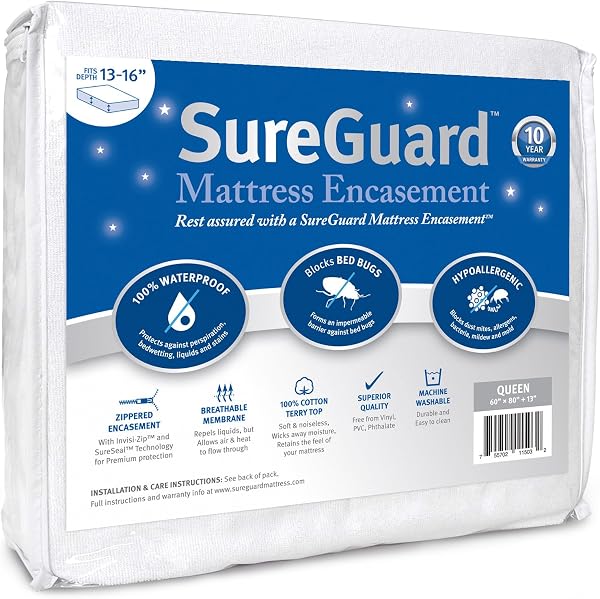
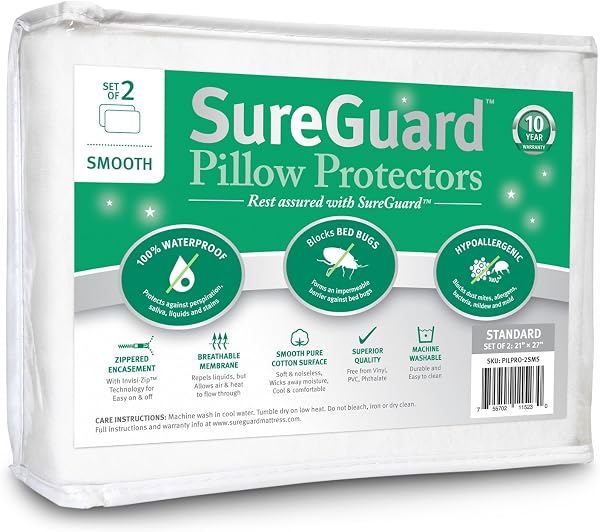
Allergen-proof mattress & pillow encasements
Effort: once · Cost: $–$$
Why it works
A tightly woven, zippered cover puts a barrier between you and whatever lives deep in the mattress and pillows.
What it doesn't do
It only covers the mattress and pillows. Duvets, sheets, the rug and the pet bed are still fair game, and the cover itself needs washing.
the best cheap upgrade I ever made
A good pick:SureGuard Mattress Encasementfor the mattress
The couch is the second-biggest allergen reservoir in most homes. It's also where the pets nap.
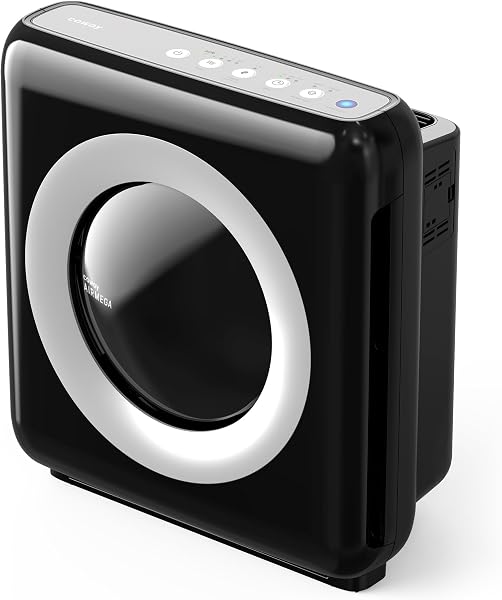
HEPA air purifier
Effort: low · Cost: $$–$$$ · size it to the room
Why it works
A true HEPA filter captures fine particles that pass through it, including airborne dander and dust while they're floating. Great for the moments right after you've stirred things up.
What it doesn't do
It only cleans air that reaches the filter. Heavy allergens settle into fabrics within minutes and sit there until they're kicked back up. Filters also need replacing on schedule.
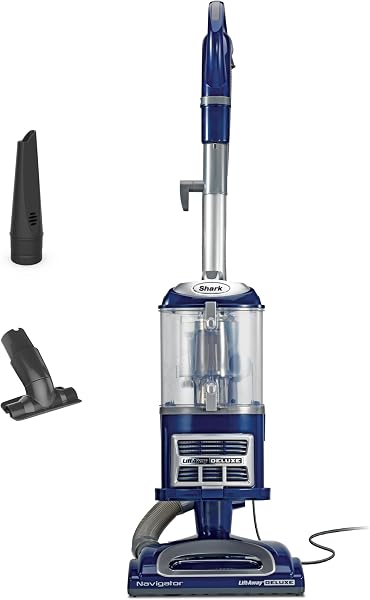
Pulls dust and dander out of rugs and upholstery, and a sealed system with a HEPA filter keeps it from blowing straight back out of the exhaust.
What it doesn't do
The effect lasts until the next time the dog lies down. Vacuuming also stirs things up briefly, so run a purifier while you do it, and empty the canister outdoors.
A good pick:Shark Navigator Lift-Away NV360 (sealed HEPA)
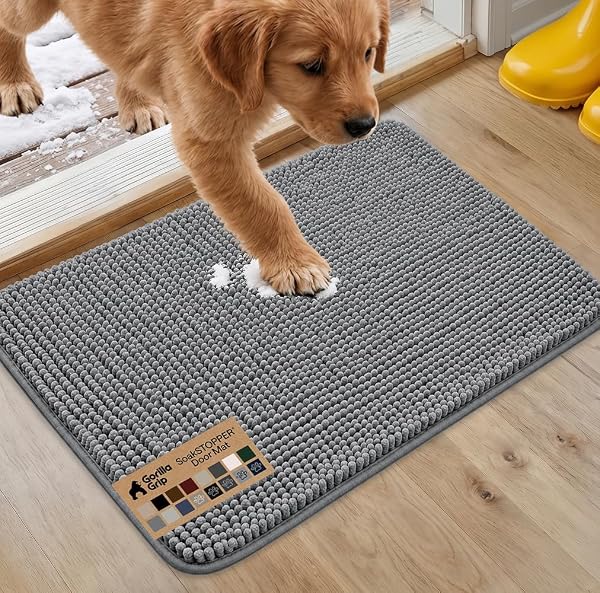
A rough mat outside and a washable one inside, plus shoes off at the door, means less dust and outdoor debris tracked onto your rugs in the first place.
What it doesn't do
Nothing about what's already inside. And the mat itself becomes a dust trap if you never wash it.
A good pick:Gorilla Grip SoakSTOPPER Washable Door Matthe washable inside mat
I'm never going to tell you to give up your pet. I'm going to tell you to give their corner a little extra attention. hi, buddy
Washable pet bed covers
Effort: weekly · Cost: $–$$
Why it works
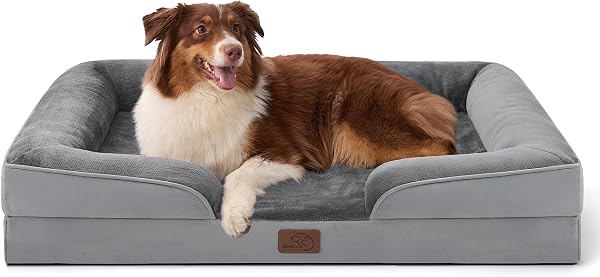
The pet bed is a concentrated dander reservoir. A removable, machine-washable cover (ideally two, so one is always clean) lets you empty it every week.
What it doesn't do
Pets don't only sleep in their bed. Couches, rugs and your bed get dander too. That's why I keep the Mini near the pet corner.
A good pick:Bedsure Orthopedic Dog Bed (washable cover)
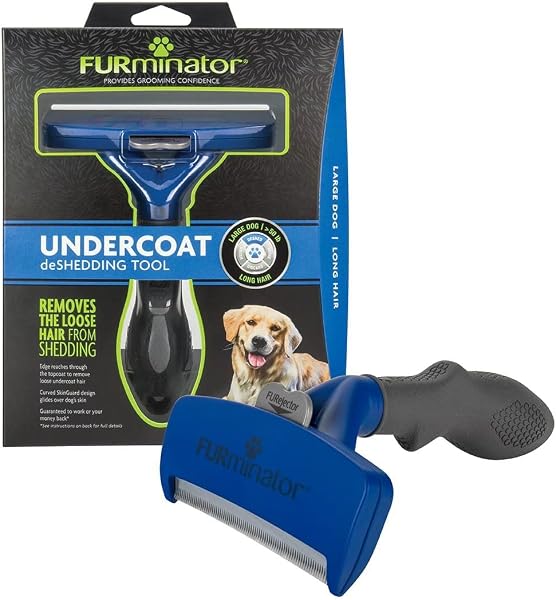
Regular brushing (outdoors or in one easy-to-clean spot) and baths on the schedule your vet recommends mean less loose dander landing around the house.
What it doesn't do
Pets keep producing dander between baths, and over-bathing can dry out their skin. Ask your vet what's right for your animal.
Sheets, pillowcases and duvet covers washed weekly in hot water (at least 130°F / 54°C if the care label allows), then dried fully, empties the bed's surface reservoir on a regular rhythm.
What it doesn't do
The clock restarts the first night. It also doesn't touch the couch, rugs or curtains, so rotate those through the wash when you can.
Sunday = sheet day. Non-negotiable.
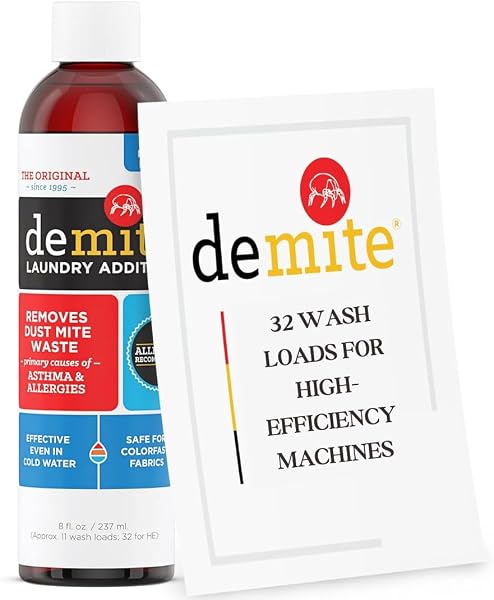
A good pick:DeMite Laundry Additivefor what can't go in a hot wash
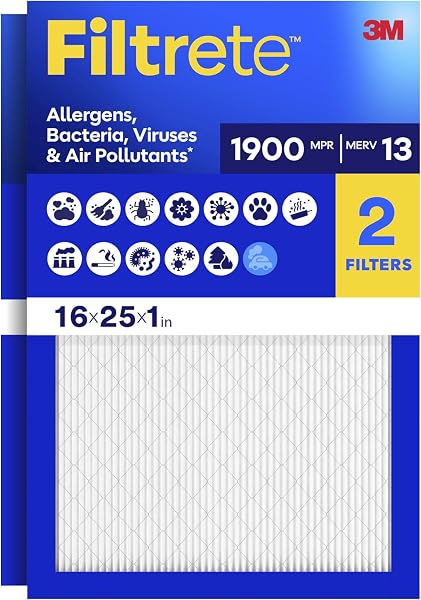
If you have forced-air heating or cooling, your whole home's air passes through that filter. A denser one catches more fine dust while the system runs.
What it doesn't do
It only works while the system is running, and some home systems aren't built for denser filters. Check your manual before you upgrade, and change it on schedule.
A good pick:Filtrete MPR 1900 MERV 13 Filtercheck your filter size and your system's manual first
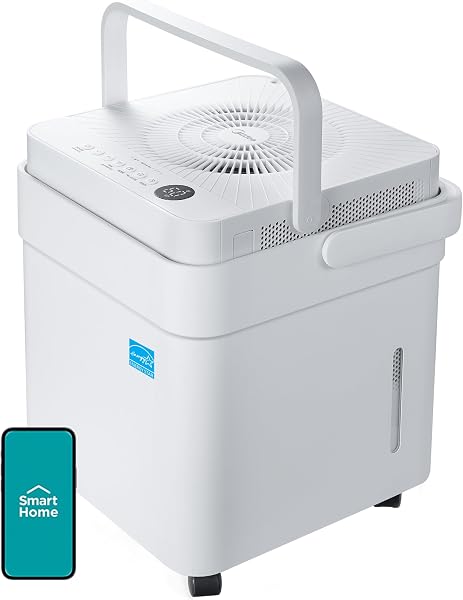
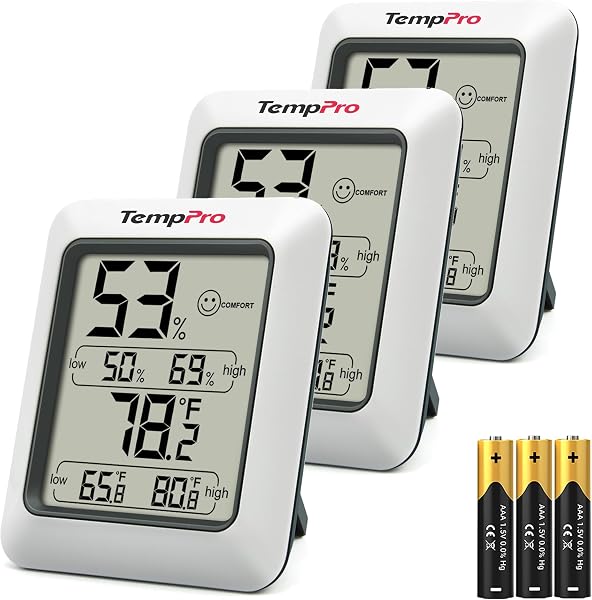
Effort: low · Cost: $ (hygrometer) to $$ (dehumidifier)
Why it works
Dust mites thrive in humid air. A cheap hygrometer tells you your real indoor humidity; a dehumidifier brings damp rooms down below 50%. Damp rooms also smell mustier.
What it doesn't do
It doesn't remove allergens already in your fabrics. And the tank or drain needs regular emptying and cleaning.
Cost bands are rough: $ = small, $$$ = a bigger purchase. Prices change; check before you buy.
Key takeaways
Allergens live in three places: the air, soft surfaces and their sources. Cover all three.
HEPA purifiers and HVAC filters handle the air; a probiotic purifier handles soft surfaces between cleanings.
Encasements, weekly hot washes and washable pet bedding empty the biggest reservoirs.
Keep humidity under 50% and take shoes off at the door.
If you only start one place, start in the bedroom.
Toolkit questions
What is the most important tool for an allergy-friendly home?
There isn't one. Dust-mite allergen and pet dander live in the air briefly and on soft surfaces most of the time, so the best results come from layers: a HEPA purifier for the air, a probiotic purifier like the BioLogic Mini for surfaces, and source habits like encasements, hot-washing bedding and keeping humidity under 50%.
Can a probiotic purifier replace a HEPA air purifier?
They do different jobs. A HEPA purifier cleans the air that passes through its filter; a probiotic purifier works on allergens that have settled on soft surfaces. In a room up to 300 sq ft the BioLogic Mini can be used on its own, but in a bigger main living space I'd use both.
Where should I start if I can only do one thing this month?
The bedroom, since it's where you spend the most hours: encasements on the mattress and pillows, a weekly hot wash, and a surface layer like the BioLogic Mini on the nightstand or near the pet bed. The 30-day reset walks you through it.
What humidity level is best for a home with dust allergies?
Keep indoor humidity under 50%. Dust mites thrive in damp air. A cheap hygrometer tells you where you are, and a dehumidifier brings it down in damp rooms.
Which MERV rating should my HVAC filter be?
Many allergy-prone households use MERV 11 to 13. Check your system's manual first, because some home systems aren't built for denser filters.